
Plastics, Plastics Everywhere
If They Come From The Earth, Aren’t They Natural? Why Should We Worry?

If they come from oil or natural gas, aren’t they natural? Maybe you’re wondering what’s the big problem? Afterall, they’re so darn handy. And so abundant. Do we really need to concern ourselves with plastic?
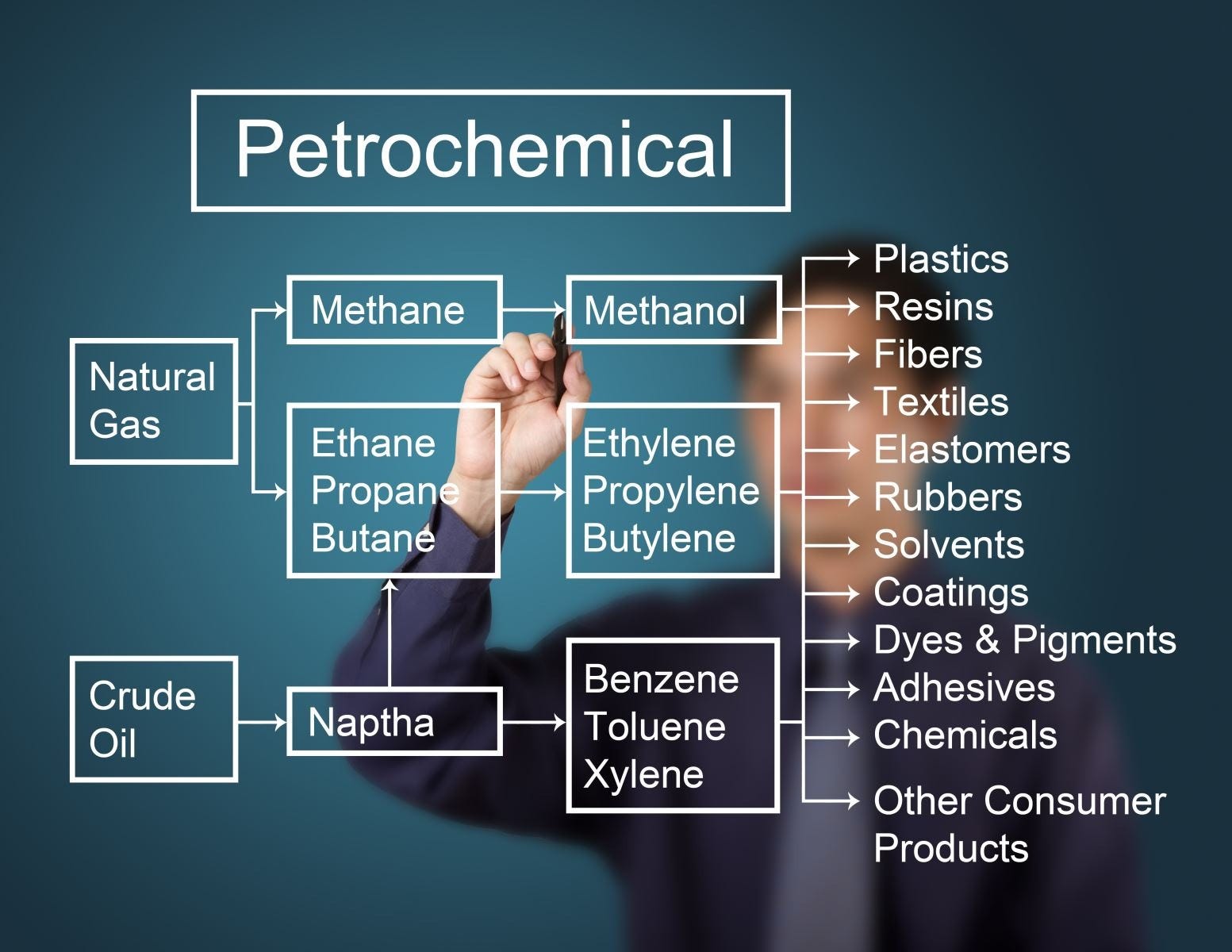
Plastic is on The Irrefutables™ list of chemicals, that’s my list of substances we know are harmful. But allow me to break this down further. While, yes, plastics begin as something extracted from the earth, no, they aren’t natural. Turning those extracted inputs into monomers and polymers that are the basic molecules necessary to build plastics takes thousands of petrochemicals. It’s an intensive chemical process that uses as many as 16,000 chemicals, 25% (4,200) have known environmental and human health harms.
Nature would never make plastics. Why? Because they step out of the nutrient cycle, called the ecological recycling framework, in which every single thing functions to fuel something else. That’s how our earth has functioned since the beginning, everything has a purpose.
But technological advances have made it possible to jump out of the earth’s normal process, abandoning the ecological recycling framework and defying the evolutionary process where new things are tested by the laws of the natural world slowly over hundreds and thousands of years. Plastics have largely proliferated by humans in the blink of the earth’s eye - in just 100 years time they’ve become ubiquitous, insidious, oft invisible, invaders.
Plastics don’t respect the rules of nature. Though handy, they cause pollution that the earth can not digest, that doesn’t break down on a human time scale and that sheds sinister microscopic shards of themselves, invisible to the naked eye yet harmful as they move into the environment and up through the food chain.
The pieces left behind by plastics are called micro and nanoplastics. Although far from natural, they are found in abundance in our air, water and soil. They’ve also now been found throughout the human body. Scientists are decades behind industry, forced to scramble to keep up with the plastics industry and their pollution.
Plastic is everywhere. 460 million metric tons of plastic is produced annually. That’s more than 1 million tons per day. To get a grasp on this, researchers say the pollution is equivalent to dumping 2,000 truckloads of plastic debris and pollution directly into waterways - daily. The spigot for plastic is not stopping, this goes on daily.
Yet, plastic has recently been found to disrupt plant photosynthesis. This breakthrough shows how plastics restrict a plant’s process to create energy, reducing their function by as much as 12%. This is plastic pollution at work. We are only beginning to learn what the fallout will be for our food production processes.
Meanwhile, in addition to conducting more science on plant growth retardation, we need to see more studies on how these plastics impact human biology.
We already know that in animal species that plastic pollution that gets ingested by animals, and has been found filling the bellies of birds and marine life, filling but never feeding, so that the animals feel full but can not get enough food and nutrients they require. Plastics are found deep in the ocean, where plastics are called the “deadliest predator” harming even Whales as well as all the way up the food chain in one of land’s biggest predators, Arctic Polar Bears.
Plastic particles know no boundaries. They are found in our bodies – lodged in the tissue of our organs and bones, and in our brains and blood, even in the placenta of pregnant women. We secrete plastics through our sweat, urine and feces.
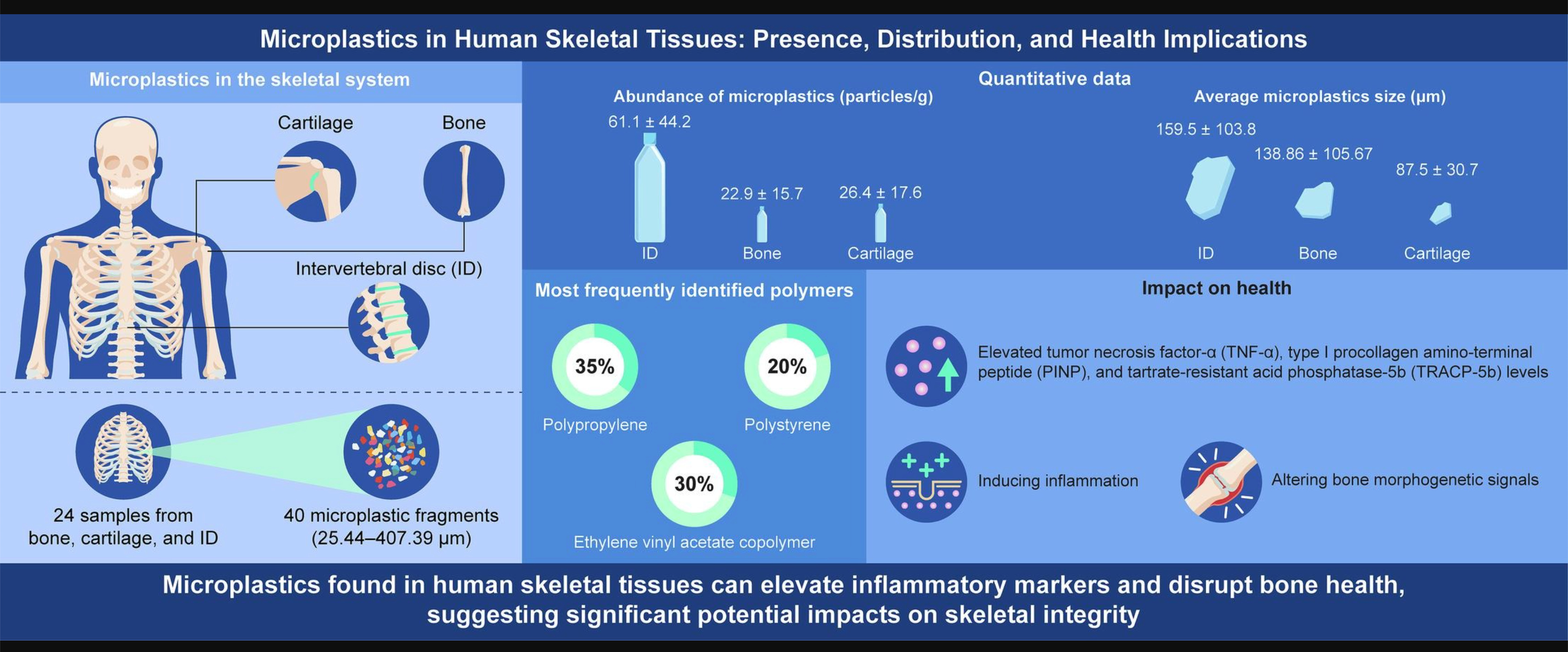
While the full health hazards of bodily contamination from plastics has yet to be completed the science that exists is condemning.
We know that plastics absorb and adsorb chemicals from processing and that are ambient in the environment. One of the problems for health is that heavy metals and other pollutants such as Polycyclic Aromatic Hydrocarbons (PAHs), and can lead to further accumulation of neurotoxic and carcinogenic substances in the food system and the human body.
Plastics are shown to harm humans at the mitochondrial and cellular level as well as disrupting osteoclast cell development and can lead reduced growth, weakened bone and even advanced aging; they interfere with our hormonal systems including reproductive health and fertility, they harm the digestive system and alter the microbiome, they’ve even been found to spur some cancers. In the US, 1 in 2 humans will develop cancer in their lifetime.
The question we should be asking is why are we waiting for more proof to act on removing plastic from industry and our lives? As citizens of the world, why aren’t we demanding more action?
What we need to be asking industry is, what has been done to the substance or material? How was it processed and manufactured? What happens during use and as it breaks down? Will any of those negatively impact our health or the environment? We need to answer these questions before bringing products to market.
I can imagine an international panel developed to review technologies before they’re deployed globally to determine permissions for use. At the very least we need to see true-cost accounting for goods before they’re sold on store shelves for use. We also must force companies to take responsibility for their products at the end of that product’s life, which is the surest way to spur innovation.
In the meantime, each one of us needs to take stock in order to remove all single use plastics and reducing as much of the rest as possible. We can resist, which will send a strong signal in the marketplace. There are numerous resources like these lists from NRDC, WWF and Nat Geo Kids to begin reducing your plastic footprint. I’m a fan of reducing with every purchase you make, starting now by reaching for Bar Soap. Of course I will continue to share ways you can tackle plastics on a personal level because it’s imperative.